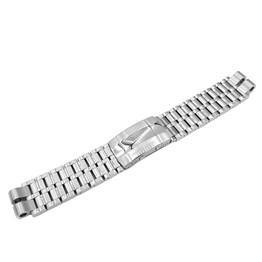
Quick view Sale Vostok-Europe Energia Stainless Steel Bracelet (Does not include the watch) Now: $179.00 MSRP: Was: $229.00 Add to Cart The item has been added
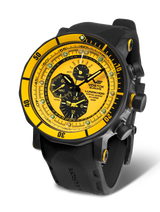
Quick view Sale Vostok Europe Lunokhod-2 Multi-Function Watch YM86/620C504 Now: $889.00 MSRP: Was: $1,119.00 Add to Cart The item has been added
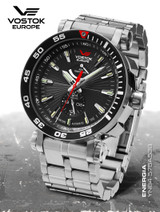
Quick view Sale Vostok-Europe Energia 2 Limited Edition Bronze Automatic Watch (YN84/575O540) Now: $1,079.00 MSRP: Was: $1,349.00 Add to Cart The item has been added
Quick view Sale Vostok-Europe Energia-2 Bronze Automatic Watch - NH35A/575O286 Now: $919.00 MSRP: Was: $1,149.00 Add to Cart The item has been added
Quick view Sale Lunokhod Black screw For Strap Now: $3.99 MSRP: Was: $7.99 Add to Cart The item has been added
Quick view Sale Anchar Matte Screw For Strap Now: $3.99 MSRP: Was: $7.99 Add to Cart The item has been added
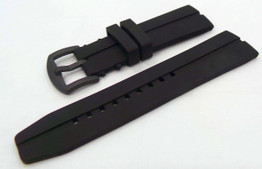
Quick view Sale Vostok Europe Expedition North Pole Silicon Strap 24mm Black-Exp.24.S.B.Bk Now: $19.99 MSRP: Was: $25.99 Add to Cart The item has been added
Quick view Sale Vostok-Europe Energia Stainless Steel Bracelet (Does not include the watch) Now: $179.00 MSRP: Was: $229.00 Add to Cart The item has been added
Quick view Sale Vostok Europe Lunokhod-2 Multi-Function Watch YM86/620C504 Now: $889.00 MSRP: Was: $1,119.00 Add to Cart The item has been added
Quick view Sale Vostok-Europe Energia 2 Limited Edition Bronze Automatic Watch (YN84/575O540) Now: $1,079.00 MSRP: Was: $1,349.00 Add to Cart The item has been added
Quick view Sale Vostok-Europe Energia-2 Bronze Automatic Watch - NH35A/575O286 Now: $919.00 MSRP: Was: $1,149.00 Add to Cart The item has been added
Quick view Sale Lunokhod Black screw For Strap Now: $3.99 MSRP: Was: $7.99 Add to Cart The item has been added
Quick view Sale Anchar Matte Screw For Strap Now: $3.99 MSRP: Was: $7.99 Add to Cart The item has been added
Quick view Sale Vostok Europe Expedition North Pole Silicon Strap 24mm Black-Exp.24.S.B.Bk Now: $19.99 MSRP: Was: $25.99 Add to Cart The item has been added
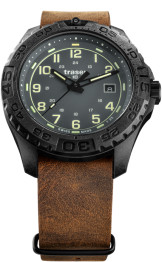
Quick view New Sale Pre=Loved traser P96 OdP Evolution Green Swiss-Made Tritium Watch 109038-PO Now: $299.00 MSRP: Was: $469.00 Add to Cart The item has been added
Quick view New Sale Pre-Loved traser P96 OdP Evolution Grey Swiss-Made Tritium Watch 109036-PO Now: $299.00 MSRP: Was: $449.00 Add to Cart The item has been added
Quick view New Sale Vostok-Europe Expedition North Pole Solar Power (VS57/595D736) Now: $449.00 MSRP: Was: $569.00 Add to Cart The item has been added
Quick view New Sale Vostok-Europe Expedition North Pole Solar Power (VS57/595D737) Now: $489.00 MSRP: Was: $619.00 Add to Cart The item has been added
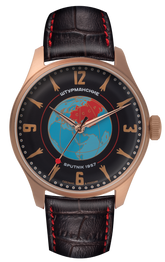
Quick view New Sale Pre-Loved Sturmanskie Sputnik Limited Edition Mechanical Watch 2609/3739434-PO Now: $199.00 MSRP: Was: $499.00 Add to Cart The item has been added
Quick view New Sale Pre-Loved Sturmanskie Gagarin Commemorative Limited Edition Mechanical Watch 2609/3705124-PO Now: $329.00 MSRP: Was: $489.00 Add to Cart The item has been added
Quick view New Sale Pre-Loved Sturmanskie Manual Wind Chronograph Watch 31681/1354648-45-PO Now: $749.00 MSRP: Was: $999.00 Add to Cart The item has been added
Quick view New Sale Pre Loved Sturmanskie Volmax Strela Chronograph Watch 3133/1361618-PO Now: $689.00 MSRP: Was: $1,299.00 Add to Cart The item has been added
Quick view Sale Vostok Europe Atomic Age Oppenheimer Multi-Function Watch YM86-640C697-SS Now: $949.00 MSRP: Was: $1,059.00 Add to Cart The item has been added
Quick view Sale Pre-Loved Vostok-Europe Space Race Automatic on Bracelet YN55/325A661B Now: $349.00 MSRP: Was: $439.00 Add to Cart The item has been added
Quick view Sale Vostok Europe Atomic Age Oppenheimer Multi-Function Watch YM86-640C697 Now: $1,059.00 MSRP: Was: $1,329.00 Add to Cart The item has been added
Quick view Sale Vostok Europe Atomic Age Oppenheimer Multi-Function Watch YM86-640A696 Now: $999.00 MSRP: Was: $1,249.00 Add to Cart The item has been added
Quick view Sale Vostok Europe Atomic Age Oppenheimer Multi-Function Watch YM86-640A695 Now: $999.00 MSRP: Was: $1,259.00 Add to Cart The item has been added
Quick view Sale Vostok-Europe SSN 571 Automatic Submarine Watch on Bracelet (NH35-571F608B) Now: $999.00 MSRP: Was: $1,249.00 Add to Cart The item has been added
Quick view Sale Store Sample Vostok-Europe SSN 571 Automatic Submarine Watch (NH35-571F608S) Now: $809.00 MSRP: Was: $1,119.00 Add to Cart The item has been added
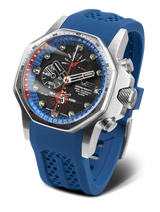
Quick view Sale Vostok-Europe SSN-571 Titanium Mecha-Quartz Chronograph Submarine Watch (VK61-571H614) Now: $839.00 MSRP: Was: $1,059.00 Add to Cart The item has been added